SinoPac Unauthorized Transfers: What to Do and 5 Online Banking Settings
Money left 419 Bank SinoPac customers' accounts without their action and has since been returned. Here is what officials have confirmed, what to do if it happens to you, and five settings to check.
Key Takeaways
- On November 3, 2026, many Bank SinoPac customers in Taiwan reported that about NT$100,000 had left their accounts, all sent to the same Taipei Fubon Bank account.
- Taiwan's Financial Supervisory Commission said on November 3 that a preliminary investigation found 427 abnormal transactions affecting 419 customers, totaling more than NT$40 million.
- Bank SinoPac said on November 3 that a program error in its "new online banking transaction system" caused the transfers, that the service was suspended, and that all funds, including fees, were returned.
- The Financial Supervisory Commission told Bank SinoPac to submit a major incident report by November 12, and the detailed cause is still being clarified.
- Basic online banking protection starts with lowering non-designated transfer limits, checking linked devices, turning on alerts, using official contact channels and installing only official apps.
The Bank SinoPac unauthorized transfer incident drew attention on the morning of November 3, when many customers reported that NT$100,000 had been moved out of their accounts without any action on their part. That afternoon the bank blamed a system program error, and in the evening Taiwan's financial regulator released preliminary findings. The affected funds have already been returned.
Below is what officials have confirmed so far, whether the money can be recovered, what to do if money leaves your account, and five online banking safety settings that customers of any bank can use.
What Happened in the Bank SinoPac Transfer Incident?
On the morning of November 3, about NT$100,000 was moved out of each of many Bank SinoPac customers' accounts to a single Taipei Fubon Bank account. Bank SinoPac said a program error in its new online banking transaction system was to blame.
Many customers posted about it on the social platform Threads. The public has called it "theft by transfer," while Bank SinoPac describes it as unexplained outgoing transfers caused by a system program error. Here is how the day unfolded:
| Time (November 3) | What happened |
|---|---|
| Morning | Many Bank SinoPac customers reported that NT$100,000 had been transferred out of their accounts, all into the same Taipei Fubon Bank account |
| 10:48 a.m. | According to 165 Anti-Fraud Hotline records, the hotline received a report from a Bank SinoPac customer and immediately helped notify the receiving bank to place a hold on the funds |
| Noon | The Financial Supervisory Commission received a phone report from Bank SinoPac; the Criminal Investigation Bureau confirmed the situation with the bank and had received 68 police reports by noon |
| Same day | Taipei Fubon Bank said it had blocked withdrawals from the receiving account, suspended its transaction functions and notified the police, and confirmed the deposited funds had not been moved out |
| Afternoon | Bank SinoPac posted a statement on its website blaming a program error in its "new online banking transaction system" and saying the service was suspended and all funds were returned |
| Evening | The Financial Supervisory Commission released preliminary findings at a press briefing and told Bank SinoPac to file a major incident report |
A hold means the bank freezes a specific amount in an account so it cannot be withdrawn or transferred for the time being. The Criminal Investigation Bureau, part of Taiwan's National Police Agency, said it had asked Bank SinoPac's auditors to look into the transactions and provide information to police, and that it would help people file reports.
As for the customers' side, according to the Financial Supervisory Commission, some customers said they had not logged in to the new mobile banking app, yet money still left their accounts. On why the transactions happened, the commission said the detailed cause and circumstances are still being clarified.

Can the Transferred Money Be Recovered?
Bank SinoPac said on November 3 that all transferred funds, including fees, have been returned to customers. The Financial Supervisory Commission added that the bank returned the money by advancing the funds itself.
In the statement on its website, Bank SinoPac said it found that day that a program error in its "new online banking transaction system" had caused unexplained transfers out of some accounts, that it had identified the cause and suspended the service, and that no further such transfers had occurred since.
At an evening press briefing on November 3, Wang Yun-chung, deputy director-general of the commission's Banking Bureau, said the preliminary investigation found 427 abnormal transactions of about NT$100,000 each, totaling more than NT$40 million and affecting 419 customers. The commission also said:
- The app: Bank SinoPac has taken down its new mobile banking app and is automatically directing customers to the old app or ATMs.
- Report deadline: Bank SinoPac must file a major incident notification and submit a report by November 12.
- Penalties: The bank is still clarifying the cause, and the commission will decide on further action based on the seriousness and cause of the incident.
- Other banks: As of the briefing, the commission had received a report only from Bank SinoPac and none from other banks.
Taipei Fubon Bank, which holds the receiving account, said it will cooperate with the police investigation and help return the funds in line with regulations and procedures. Bank SinoPac customers can use the old app or update their passbook to check transactions from that day, and contact official customer service with any questions.
What Should You Do If Money Is Transferred Out of Your Account?
First call your bank's official customer service to report the unknown transfer and ask the bank to act, then call the 165 Anti-Fraud Hotline or report it at a police station, and keep screenshots of the transaction details and alerts.
- Contact your bank: Call the number on the back of your debit card, in your passbook or on the bank's official website, identify the unknown transaction and ask the bank to investigate. The customer service number listed on Bank SinoPac's website is (02) 2505-9999.
- File a report: Call the 165 Anti-Fraud Hotline run by Taiwan's National Police Agency, or go directly to a police station. In this incident, 165 asked the receiving bank to hold the funds as soon as it received a report.
- Keep evidence: Save screenshots of the transaction details and any SMS or push alerts, note when you discovered the problem and when you contacted customer service, and bring all of it when you file a report.
- Change your sign-in details: Bank SinoPac advises that if your account has been misused, you should change your online banking user code and password and disable automated transaction permissions on the account.
Bank SinoPac attributes this incident to a system program error, but the same steps apply to any unknown transfer.

5 Online Banking Safety Settings
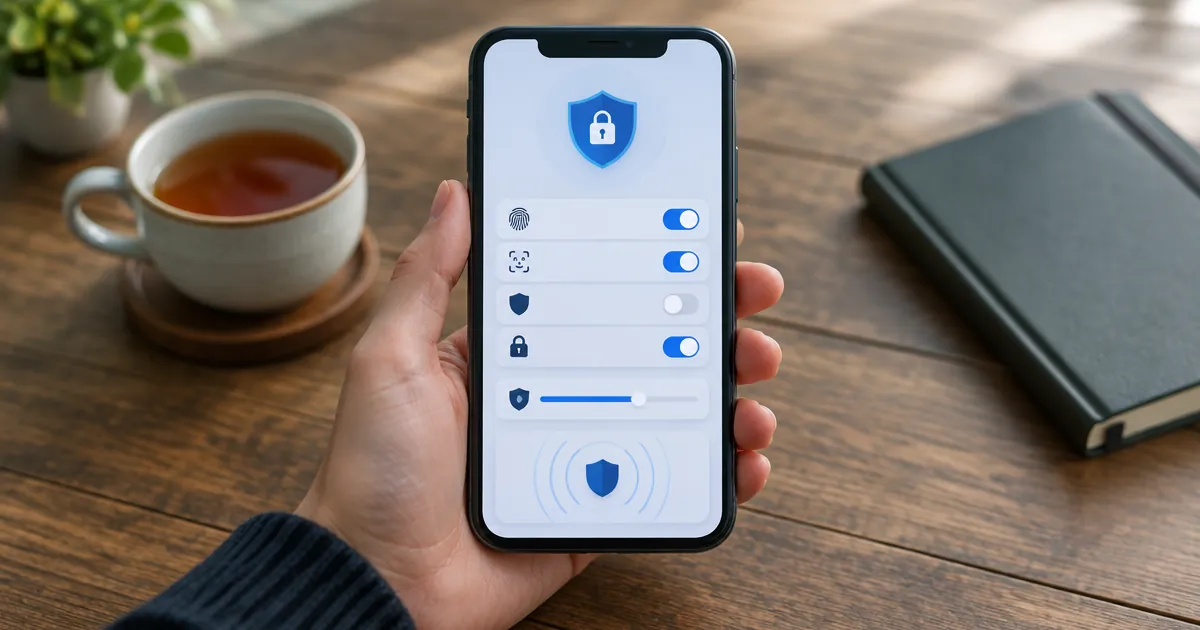
System-side problems have to be fixed by the bank, but your own account settings can reduce risk and help you spot problems sooner. These settings apply at any bank, though menu locations vary, so follow your bank's instructions.
1. Lower or Turn Off Non-Designated Transfers
A non-designated transfer is a transfer to an account that you have not registered in advance with your bank as a "designated account." Under Bank SinoPac's online banking terms (July 2026 version), for example, transfers to non-designated accounts are capped at NT$50,000 per transaction, NT$100,000 per day and NT$200,000 per month, combined under your national ID number. Transfers to designated accounts are capped at NT$2 million per transaction and per day.
If you rarely send money to unfamiliar accounts, ask your bank whether you can lower your non-designated transfer limit or turn the feature off, and register the accounts you pay often as designated accounts. Rules and settings differ between banks, so check your bank's announcements.
2. Check Linked Devices and Sign-In History
If your banking app offers device management or a sign-in history, check regularly for devices you do not recognize, and unlink old phones. Bank SinoPac warns against syncing SMS, syncing accounts or linking devices on unfamiliar websites. If different browsers keep asking you to complete security checks, your device may be compromised, and you should stop using it for online banking.
For ways to protect your other important accounts, see What Is 2FA? When you change phones, remember to move your authenticator app as well, as explained in how to move 2FA to a new phone.
3. Turn On Transaction and Sign-In Alerts
Turn on push or SMS alerts for transfers and sign-ins so you notice anything unusual right away. Bank SinoPac warns that if you receive a verification code, sign-in alert or transaction alert you did not trigger, or an alert in a language you do not normally use (for example, an English alert when you use the Chinese version), you should be on guard and not complete any verification or authorization.
4. Use Official Contact Channels and Watch for Follow-Up Scams
After a bank incident, scammers often pose as banks or government agencies offering to "help with refunds." Taiwan's Financial Supervisory Commission warned in September 2026 that it does not contact people through LINE, and that people should not scan unknown QR codes, add unfamiliar LINE accounts, or give out online banking credentials or one-time passwords (OTPs). To verify a call, use the phone number published on the agency's official website.
Bank SinoPac also says it will never ask customers for online banking passwords or OTPs by phone, text, email, social media or messaging apps. Scam calls can now use AI to imitate a real person's voice; to learn the warning signs, see how to spot AI scams.

5. Use Only Official Apps and Avoid Unknown Links
Download banking apps only from official app stores or through links on the bank's official website. Bank SinoPac reminds customers to avoid clicking unknown links or installing apps from unknown sources. Scammers also imitate Google security checks, browser update prompts and bank web pages, so be especially careful with pages marked "Sponsored" or that urge you to act immediately.
What Is Still Unknown About the Incident?
Officials have confirmed the number of abnormal transactions, the number of customers, the amount involved, that the funds were returned and that the receiving account was frozen. The details of the program error, its cause and whether penalties will follow will become clear only after Bank SinoPac submits its report and regulators complete their review.
The incident is still under investigation. Official announcements take precedence, and this article will be updated as they come in.
Frequently Asked Questions
Will Bank SinoPac return the transferred money?
Bank SinoPac said on November 3 that all transferred funds, including fees, have been returned to customers, and the Financial Supervisory Commission said the bank advanced the money itself. If you still have questions about your account, contact Bank SinoPac's official customer service.
What is a non-designated transfer?
It is a transfer to an account you have not registered with your bank in advance as a designated account. Under Bank SinoPac's July 2026 online banking terms, for example, the limits are NT$50,000 per transaction, NT$100,000 per day and NT$200,000 per month.
I don't bank with SinoPac. Should I still change my settings?
The Financial Supervisory Commission said that as of its November 3 briefing it had received a report only from Bank SinoPac. Still, lowering non-designated transfer limits and turning on transaction alerts are basic protections at any bank, so it is a good time to review them.
What should I do if someone calls claiming to be my bank and offers to help with a refund?
Hang up, then verify using the number on the bank's official website or the back of your card. The commission warns against scanning unknown QR codes, adding unfamiliar LINE accounts or sharing online banking credentials or OTPs. If in doubt, call 165.
Sources: Bank SinoPac – Statement that account funds have been fully returned (2026, Chinese), Bank SinoPac – Notice on new scam tactics (2026, Chinese), Bank SinoPac – Online banking terms of service (July 2026, Chinese), Financial Supervisory Commission Banking Bureau – Warning on follow-up scams and LINE impersonation (2026, Chinese). Statements by the Financial Supervisory Commission, the Criminal Investigation Bureau, the 165 Anti-Fraud Hotline and Taipei Fubon Bank are from November 3, 2026 reports by Central News Agency, Economic Daily News and Anue (cnyes.com).